Zachary Nickerson
 Mar 10, 2025
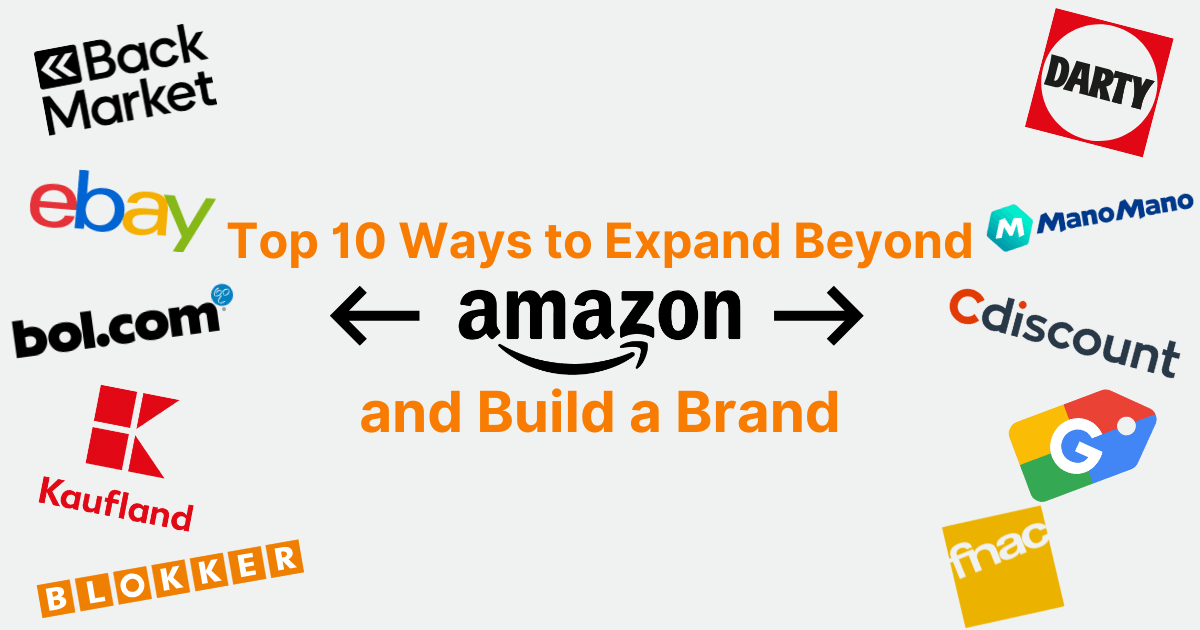
For many e-commerce entrepreneurs, Amazon is a great starting point. It offers built-in traffic, a trusted marketplace, easy-to-click Buy Box sales processes, and logistical advantages. However, relying solely on Amazon can be risky. Competition is fierce, margins can be slim, and you have limited control over customer relationships. To create a sustainable business, it’s advantageous to expand beyond Amazon and build your own brand. Here are ten strategic ways to do just that:
1. Build Your Own E-Commerce Website
Owning your digital storefront, whether through Shopify, WooCommerce, or another platform, gives you full control over branding, pricing, and customer data. A direct-to-consumer (DTC) website allows you to create a unique shopping experience and increase customer loyalty.
2. Develop a Strong Social Media Presence
Leverage platforms like Instagram, TikTok, Facebook, and LinkedIn to engage with your target audience. Posting high-quality content, running ads, and collaborating with influencers can drive traffic to your site and create brand recognition outside of Amazon.
3. Invest in Email and SMS Marketing
Amazon doesn’t give you direct access to customer emails, but when you sell through your own site, you can collect customer contact information. Building an email and SMS list allows you to nurture relationships, send promotions, and drive repeat sales.
4. Explore Other Online Marketplaces
Diversify your revenue by listing your products on platforms like eBay, Etsy, Back Market, or niche marketplaces relevant to your industry. Mastery of other marketplaces and securing the Buy Box on other platforms will strengthen your presence on them and reduce reliance on Amazon while expanding your reach.
5. Run Paid Advertising Outside of Amazon
Google Ads, Facebook Ads, TikTok Ads, and influencer partnerships can bring high-intent traffic to your website. By testing different platforms, you can identify the best-performing channels for your brand.
6. Build a Content Marketing Strategy
Publishing blog posts, videos, and guides related to your niche can establish your brand as an authority. SEO-optimized content helps attract organic traffic to your site and educates potential customers about your products. If you link back to your Amazon listings, this can also boost your sales—more external traffic can bypass a poor Amazon ranking for your product and even improve it. Once ranking is up, this has a knock-on effect with your existing listings and launching any new products. The A10 algorithm loves sales velocity, thus leading to higher rankings.
7. Offer Subscription or Loyalty Programs
Subscription models, VIP discounts, and loyalty programs encourage repeat purchases and long-term customer retention. These strategies increase customer lifetime value and brand loyalty.
8. Get Your Product into Physical Retail Stores
Wholesale partnerships with brick-and-mortar retailers, boutiques, or big-box supermarkets can introduce your brand to new audiences. Even small-scale retail placements can boost credibility and sales.
9. Leverage Public Relations (PR) and Media Coverage
Pitching your brand story to media outlets, bloggers, and influencers can generate buzz and establish credibility. Features in industry magazines, online publications, or podcasts can drive traffic and build trust.
10. Focus on Exceptional Customer Service
Customer service can absolutely be a brand differentiator. Providing fast responses, personalized experiences, and hassle-free returns builds trust and encourages repeat purchases. Happy customers often become brand advocates!
Final Thoughts
Amazon is an excellent sales channel, but it shouldn’t necessarily be your entire business. By diversifying your marketing and sales efforts, you can build a strong, independent brand that thrives in multiple channels. Start with small steps, track what works, and refine your strategy to create a business that lasts beyond Amazon.